We weren’t born to consume.
We were born to wonder.
Before anyone teaches us what life should look like, as children we move through the world the same way our ancestors once did — with open attention, restless curiosity, and the instinct to make sense of things by touching, shaping, building. A child drawing on a wall is not misbehaving; they’re expressing an ancient impulse. A kid taking apart a toy is reenacting the same logic that once built tools, shelters, fires, and meaning.
Curiosity is our default state.
Creation is our native language.
Creation is our native language.
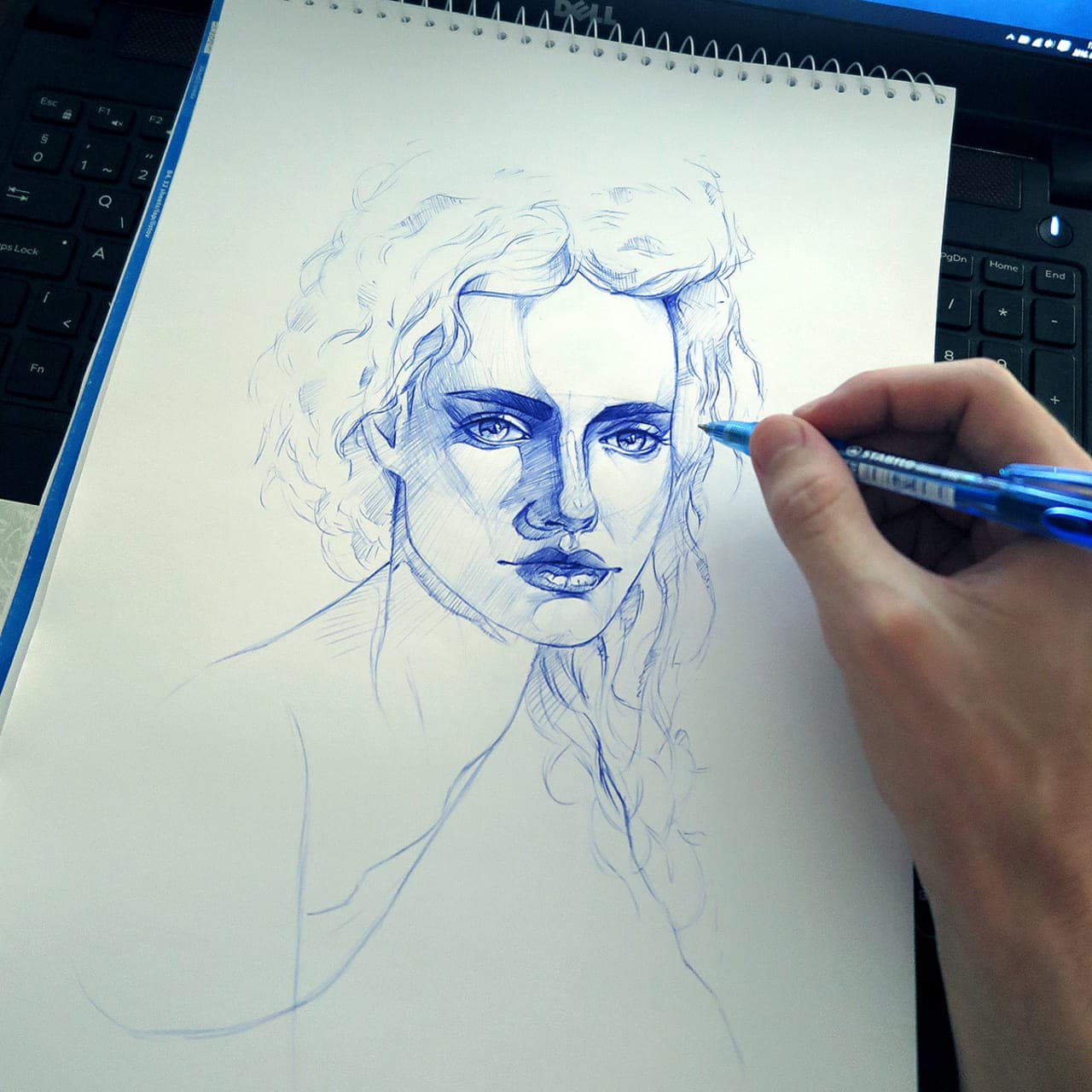
But somewhere along the way, that instinct got domesticated. We went from "What happens if I try this?" to "What am I supposed to do?". The environment changed. The rhythm changed. The system slowly encouraged us to sit still, memorize, comply, and consume.
The instinct didn’t disappear — it got buried. And every time we start a project, even a small one, we feel it surface again. That strange sense of recognition: I’ve been here before.
This piece is about that instinct — why it matters, why we suppress it, and why building something, anything, is the first step back to who we were always meant to be.


The ancestral instinct
Long before we built cities, economies, or institutions, we built to understand. Early humans shaped tools not just to survive, but to make sense of the environment. Each tool changed how they perceived the world: a sharpened stone reframed a task, a woven basket reframed a journey, a fire reframed the night. Creation and perception evolved together.
That link never disappeared.
Curiosity is the engine. Building is the expression. You cannot separate them without damaging both. When we build, we’re not just producing something external — we’re reorganizing the internal structure of our mind. We’re learning, testing, adjusting, discovering our own patterns of thought. We’re moving from the surface of experience to the center of understanding.
This is why building feels energizing in a way consumption never does.
- Consumption moves time forward; creation expands it.
- Consumption entertains; creation transforms.
- Consumption is passive; building is active.
The human mind was shaped in an environment where participation was not optional. For hundreds of thousands of years, life rewarded those who explored, experimented, and contributed to the tribe. Curiosity wasn’t a luxury—it was survival. You had to understand patterns, track change, adapt your tools, and constantly translate experience into action.
A mind that didn’t build would fall behind. A mind that built became something more.
The modern context
Fast forward to today, and the instinct is still there, but the context is inverted. We live in a world shaped by creation, yet structured around consumption. We are handed tools with infinite potential, then pushed into routines that suppress the very instinct those tools were meant to awaken.
The result is a familiar restlessness — the quiet sense that something is missing even when life seems stable on the surface. That feeling isn’t a flaw. It’s a signal. It’s the ancient mind trying to return to its natural rhythm: to explore, to understand, to build.
And here’s the truth we rarely say out loud:Building is not a modern skill — it’s an ancient one we’ve forgotten how to access.
The moment you start making something, even something small, the world sharpens. Patterns become clearer. Your attention deepens. The noise fades. You stop drifting and start participating. You reconnect with a way of being that feels strangely familiar, as if you’ve stepped back into an older version of yourself that never fully left.
This isn’t about productivity or entrepreneurship or hustle. It’s about coherence — the alignment between what your mind was built for and what your life asks of it.
Building gives you that coherence.
- It restores curiosity.
- It strengthens perception.
- It gives shape to meaning.
- It turns passivity into authorship.
And once you feel that shift — once building stops being an activity and becomes a way of seeing — the question isn’t why build.
It’s why delay what you were always meant to do.
Direction through interest
When people think about building something, they usually begin with the wrong question:
What’s a good idea?
As if ideas were lottery tickets, and the goal was to pick the winning one early and hold on. But ideas are not the starting point. Attention is.
The real question is:What do you care enough to return to even when no one is watching?
Because anything worth building requires repetition — the slow, quiet kind — and you can only sustain repetition when the work connects to something deeper than opportunity:
- curiosity
- frustration
- admiration
- conflict
- desire
These are the raw materials of direction. Trends won’t give you that. Neither will market analysis.
Meaning comes from tension.
The things you’re drawn to, the things that irritate you, the things you obsess over without noticing — that’s direction.
The world is full of generic products because people chase ideas instead of listening to themselves.
We don’t need more polished apps, more safe improvements, more recycled features. We need things made with intent. We need ideas that don’t feel like variations of the same template. We need products that teach, projects that connect, systems that reveal something about how the world could work better.
Everything begins as a project — not a business, not a startup, not a brand. Just a project. A container for curiosity.
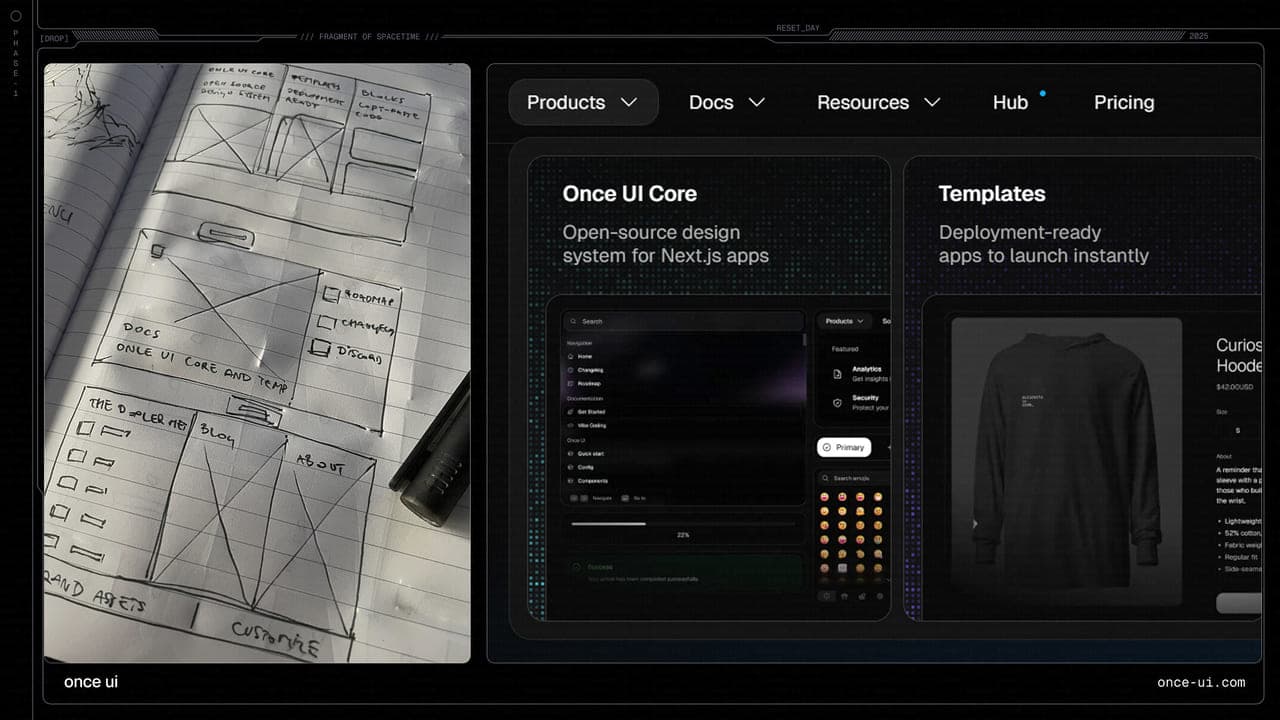
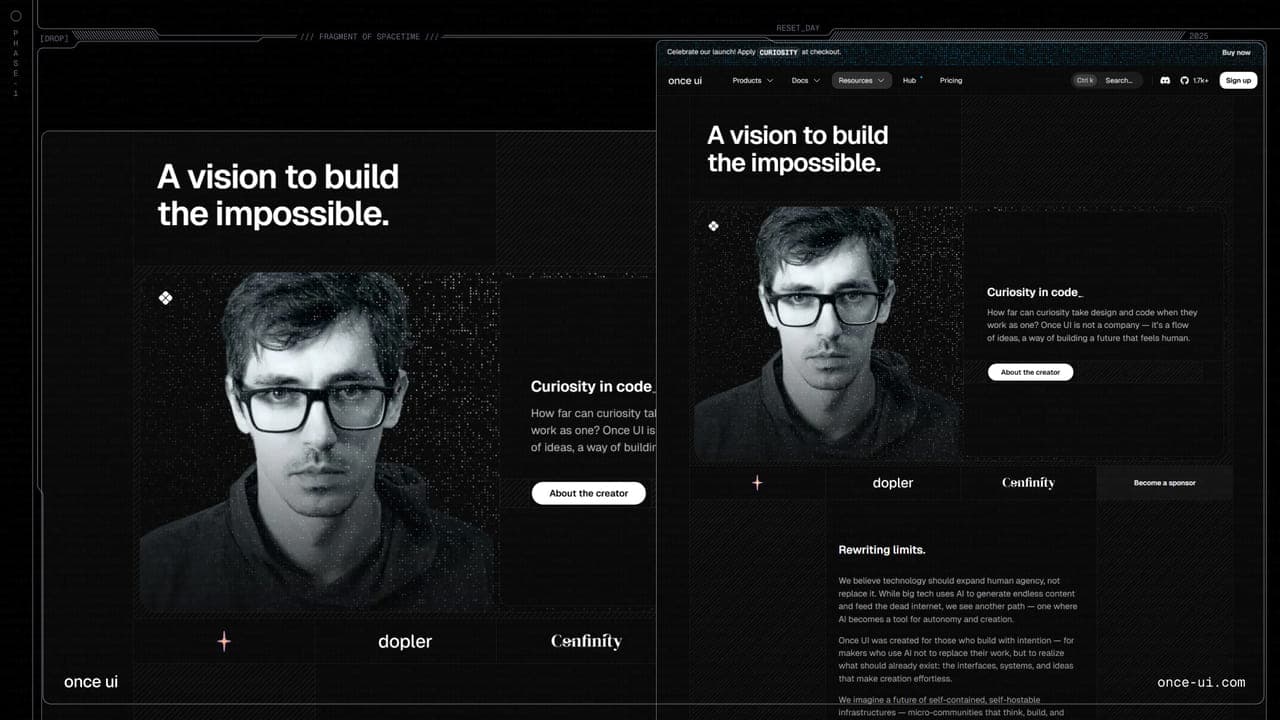
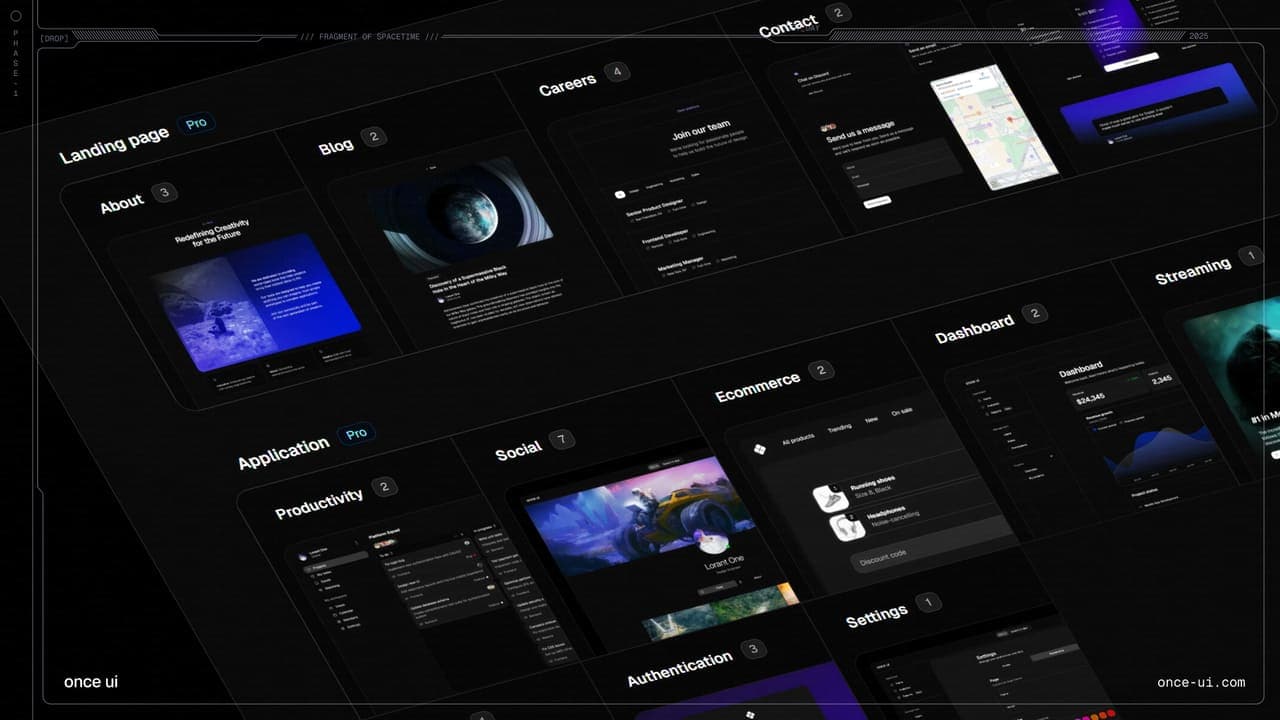
Once UI didn’t begin because the world needed another design system. It began because I needed a clearer way to express structure, meaning, and narrative — a way to bring my creative universe into a consistent shape. It didn’t grow because it followed a trend. It grew because it aligned with who I was becoming.
That’s the pattern: the best things emerge at the intersection of who you are and what you’re trying to understand.
And once you commit to a project, something interesting happens. It becomes a surface area for opportunity. A magnet for new skills. A frame through which ideas gain clarity. A door that opens to the next door.
This is why “purpose” is so confusing when we search for it.Purpose isn’t discovered — it’s constructed. And construction happens one meaningful project at a time.—Lorant
What should you build? Start with what you can’t ignore. Start with what keeps resurfacing. Start with what feels slightly too ambitious but strangely inevitable. Because the most important things aren’t the ones you decide to build. They’re the ones you realize you’ve been building all along.
Direction gives you a beginning — but beginnings alone don’t sustain themselves. Meaning needs a practice. It needs a structure you can return to, again and again, without losing momentum.
The architecture of momentum
Momentum is where most creative work quietly falls apart — not because people lack talent or ideas, but because they build in a way that burns energy instead of compounding it. They treat building like a heroic event: a sudden burst of inspiration followed by long stretches of guilt, avoidance, and exhaustion.
But building was never meant to be an act of willpower. It was meant to be a rhythm.
And rhythm begins where friction ends.
Most people imagine professionals as people who push harder. In reality, professionals push less. They remove the obstacles that drain their attention. They choose tools that amplify their strengths. They build systems that make high-quality work not an exception, but an inevitability.
This is why “just start” is incomplete advice. Yes, begin — but begin in a way that allows you to continue. The first version doesn’t need to be perfect, but it needs to be built on top of tools and patterns that make future versions easier, not harder. Momentum doesn’t come from effort. It comes from lowering the cost of showing up.
Beginners struggle because they obsess over the wrong details. They spend days choosing fonts, designing shiny buttons, tweaking layouts, rewriting the same component five times. They polish surfaces before they’ve built foundations. They refine features that don’t matter, drowning in aesthetics long before they’ve clarified purpose.
They mistake decoration for direction.
The truth is simple:Your work doesn’t need to be perfect. It just needs to work. And it needs to be built in a way that lets you keep building.
Beyond blank pages
There comes a moment in every builder’s life when a quiet truth reveals itself: the hardest part of creating is rarely the creation itself. It’s everything that surrounds it. The setup. The resets. The invisible work required just to arrive at the place where building can begin.
Friction doesn’t arrive all at once. It accumulates.
I noticed this only after repeating myself too many times. The same patterns. The same structures. The same decisions, solved again under slightly different names. The work itself was engaging. What drained me was the sense of starting over, day after day, as if nothing carried forward.
The problem wasn’t difficulty. It was discontinuity.
So instead of trying to work harder, I began working differently. I stopped thinking in terms of outputs and started thinking in terms of systems. Small ones at first — reusable pieces, consistent patterns, shared assumptions. Nothing ambitious. Just enough structure to avoid rebuilding what already existed.
And slowly, something changed.
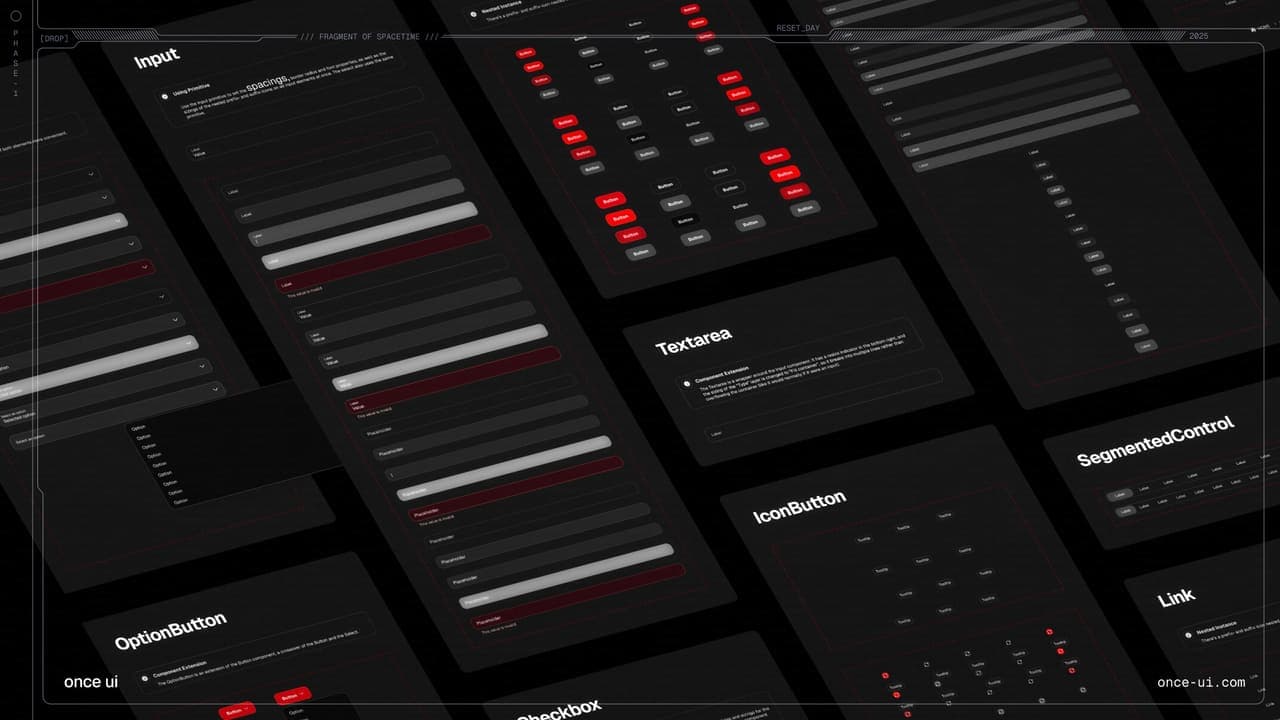
Those systems began to connect. A decision made once became a reference later.
- A component became a language.
- A language became an environment.
Without planning it, I had created a place I could return to — not a blank page, but a living foundation.
This is where Once UI eventually emerged. Not as a product idea, and not as a goal, but as the natural shape of years spent reducing friction. Design libraries, shared patterns, application templates, branding systems — not isolated tools, but layers that reinforced one another.
It was never about a single system. It was about continuity.
Because when the structure around your work is stable, effort changes character. You no longer need to push yourself back into motion. You simply return to something that already knows where you left off.
Systems give work memory. Memory gives rhythm. And rhythm is what makes building sustainable.
When that rhythm exists, quality stops being something you chase. It becomes the ground you stand on. Consistency stops feeling heroic and starts feeling ordinary. Progress becomes less dependent on mood, and more dependent on the environment you’ve built for yourself.
This is the quiet difference between a project and a practice: A project can be powered by enthusiasm. A practice needs infrastructure.
And infrastructure, when designed with care, does something subtle but essential: it protects the part of you that wants to keep building tomorrow.
The unfinished world
The world is becoming stranger, but not necessarily darker. It is simply shedding the structures that once gave it shape. The narratives that defined adulthood, work, identity, and progress no longer hold with the same certainty. The scaffolding is loosening. The horizon is wider than it used to be.
Some experience this as instability.
Others experience it as possibility.
Both are correct.
Others experience it as possibility.
Both are correct.
But in a world where the old paths no longer guarantee direction, the question shifts from “What should I follow?” to “What can I create?”. And this shift is not a crisis of meaning — it is an invitation to authorship.
Because consumption cannot orient you in a world that keeps rearranging itself. You can observe endlessly, analyze endlessly, gather endlessly, yet the ground will still feel unsteady.
Orientation does not come from watching the world. It comes from touching it.
Building is not a response to urgency; it is a response to uncertainty. It is how you place a small but reliable point of gravity inside yourself. A place your attention can return to when everything else becomes fluid. A place that grows as you grow.
Projects become the quiet architecture of your inner life. They give rhythm to days that don’t yet have structure. They create patterns where the world offers none. They become the way you learn to inhabit time.
And slowly, something shifts: You stop looking for direction outside yourself. Direction begins to emerge from the things you build.
This matters now more than ever, because individuals have reached an inflection point. Leverage has collapsed the distance between intention and impact. A single person can shape tools, systems, communities, and ideas that would once have required entire institutions. But leverage doesn’t reward noise — it rewards clarity. It amplifies whatever you truly are.
Becoming through making
In previous eras, identity was inherited: roles, titles, paths. In this era, identity is constructed: through choices, through creation, through participation. You become someone by engaging with the world, not by waiting for it to define you.
Building gives you that engagement. It sharpens your attention. It reveals your patterns. It makes you legible to yourself. It gives you back the agency that the modern world quietly erodes.
Most people who build think they’re doing it for independence or opportunity, and perhaps at first they are. But the deeper reward is not financial freedom — it’s perceptual freedom. The ability to see clearly. To care selectively. To direct your own energy rather than renting it out.
And when you look outward from that place — from the inner coherence that building cultivates — the world no longer appears chaotic. It appears unfinished. Open. Shaped not by the loudest forces, but by the ones willing to participate with intent.
The future will not be decided by those who predict it, or fear it, or consume it. It will be shaped, quietly and continuously, by those who build within it.
Not urgently. Not anxiously. But with presence.
Because in the end, building is not about ambition or strategy or even creativity. It is about returning to the most ancient human truth:
We were not meant to inherit the world.
We were meant to build it.
From instinct to practice
After this, the only honest question is no longer whether you can build. It’s what you want building to become in your life.
- Some people build to escape.
- Some build to prove.
- Some build to earn.
- Some build because creation is the only place their attention feels at home.
None of these impulses are wrong. They’re simply points of entry.
What matters is what happens after the impulse—when the work stops being theoretical and starts asking for structure. When it demands more than inspiration. When it becomes less about the first thing you ship and more about the kind of builder you become over time.
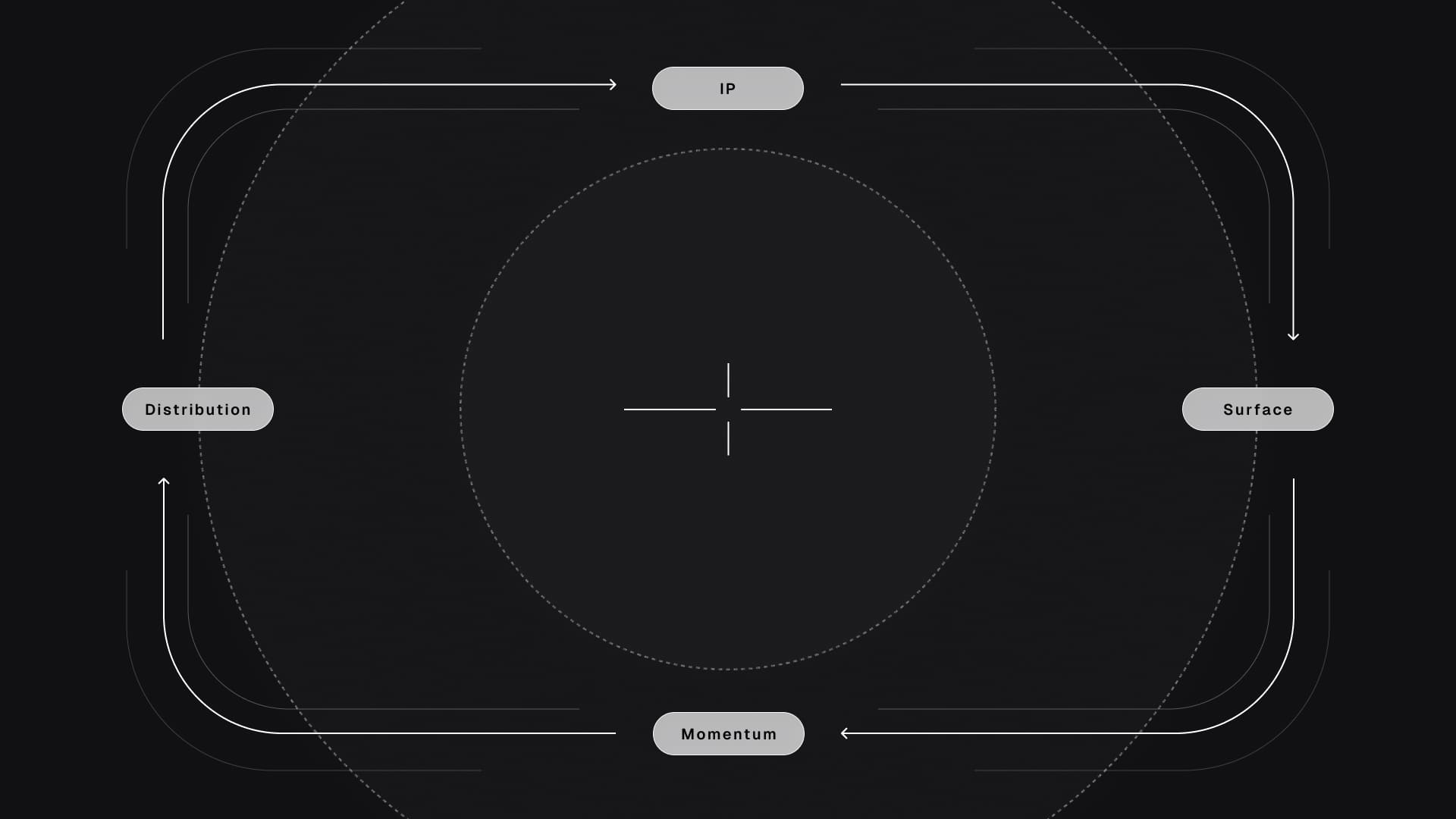
If you want a clearer way through that terrain—how to build with honesty, how to earn attention without noise, how to create products that stick, how communities form around ideas, and how to do all of it without losing your life to the machine—I put my approach into a method.
Not as a shortcut, but as a framework.
It’s called The Dopler Method—a map for builders who want to participate with intention.
The Dopler Method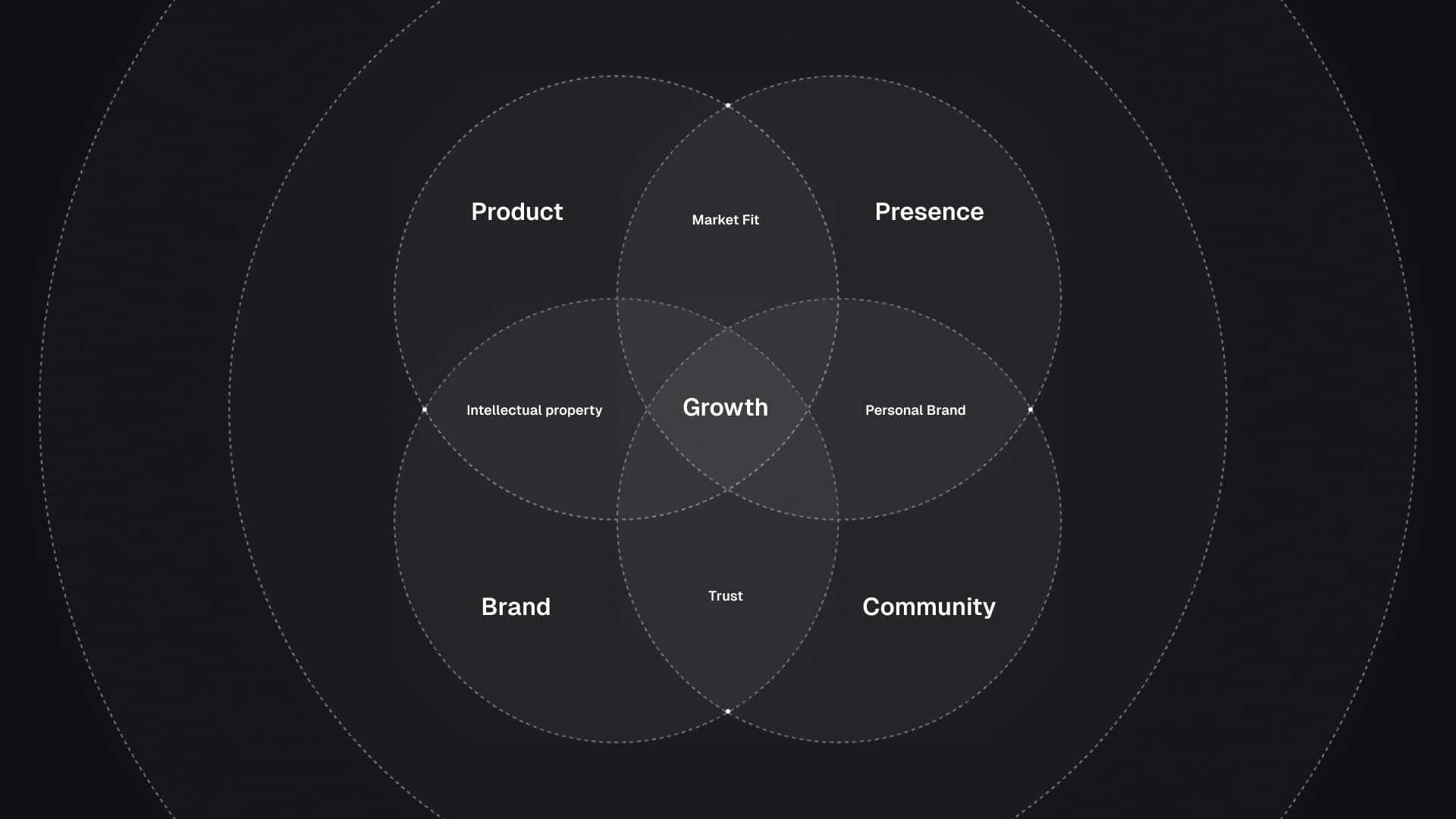
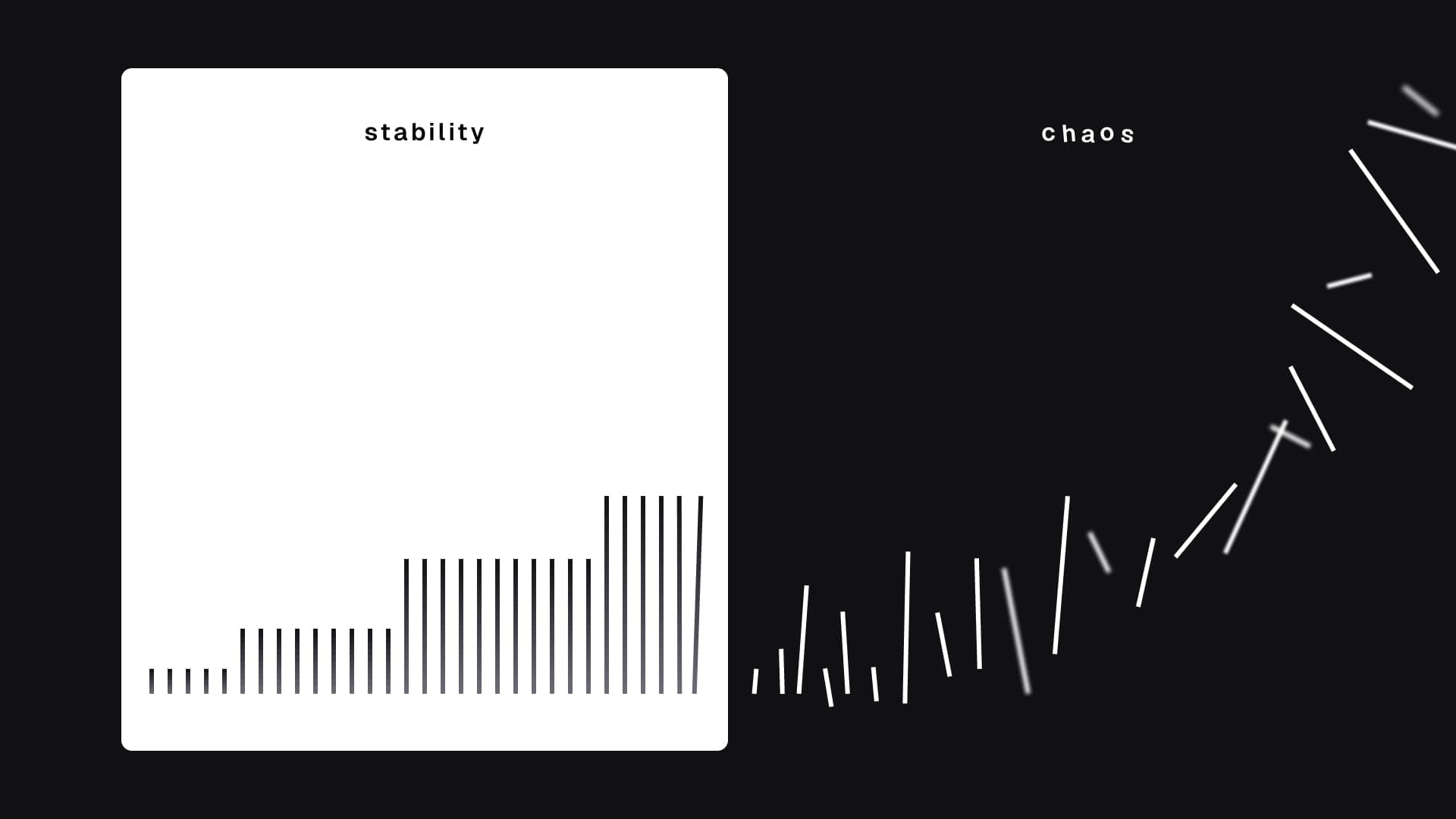
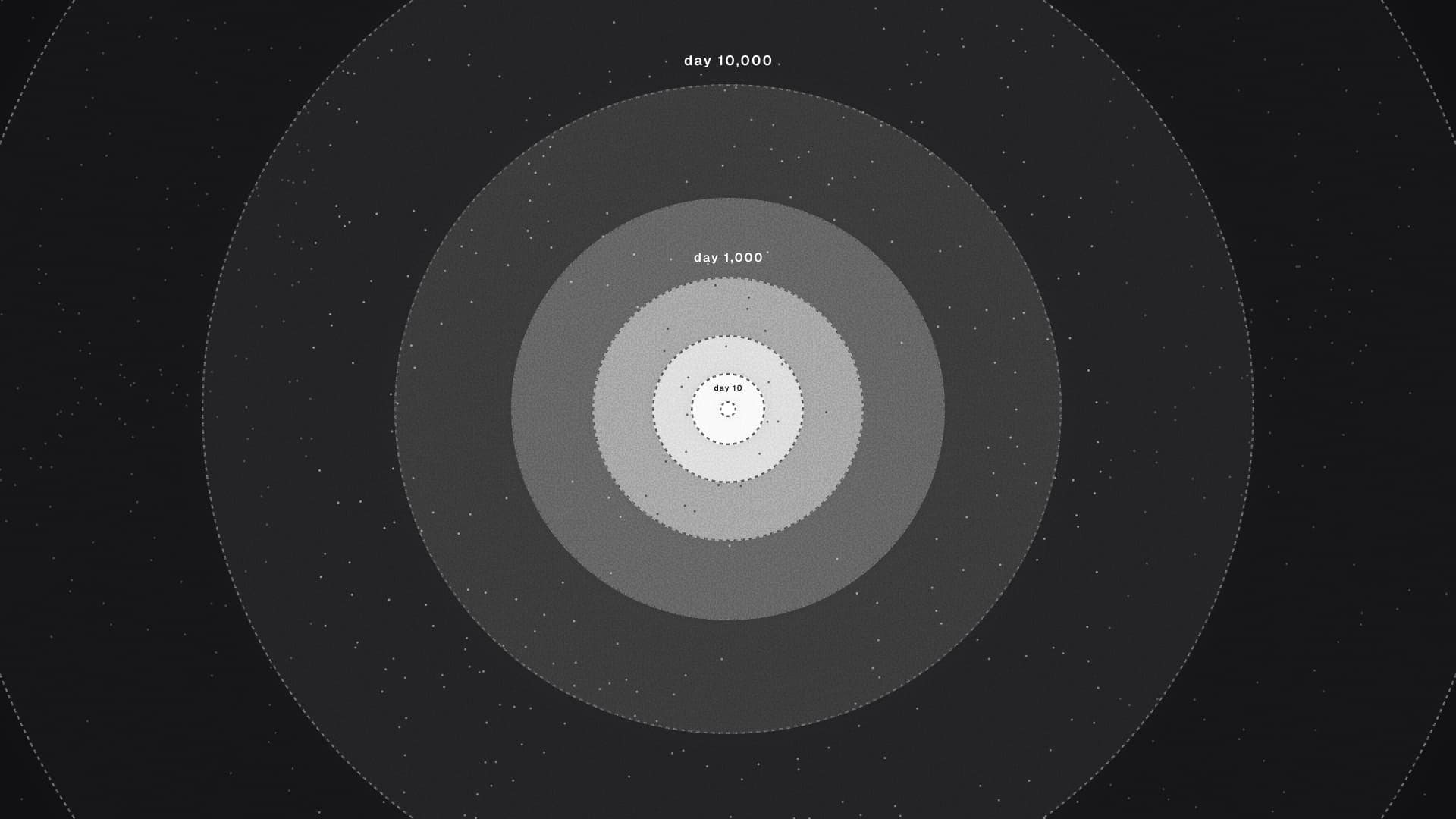
IntroductionBuild a business that works
Chapter 1: TruthTrading comfort for truth
Chapter 2: PresenceHow to make people care
Chapter 3: ProductBuilding products that stick
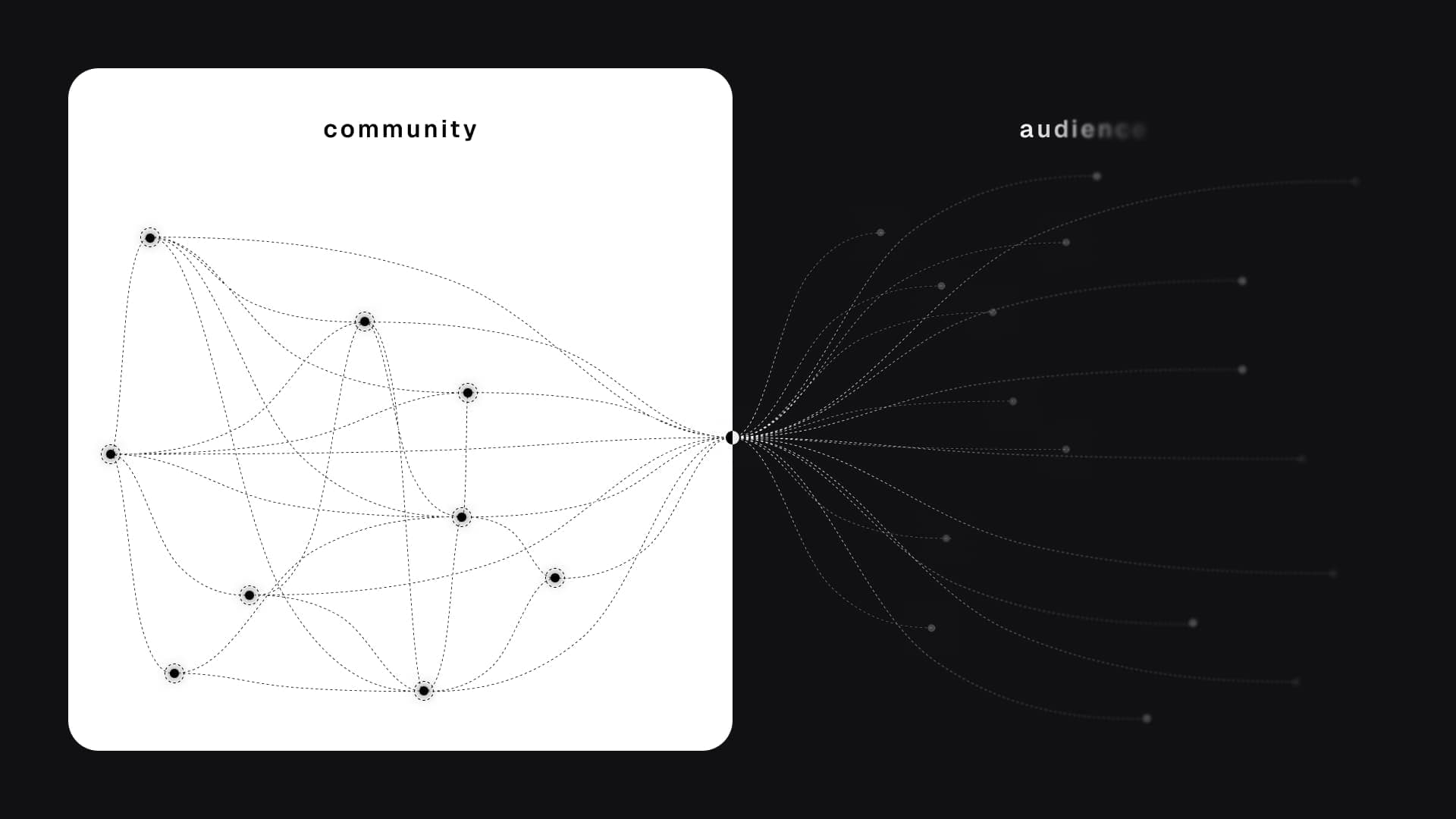
Chapter 4: CommunityHow ideas become culture
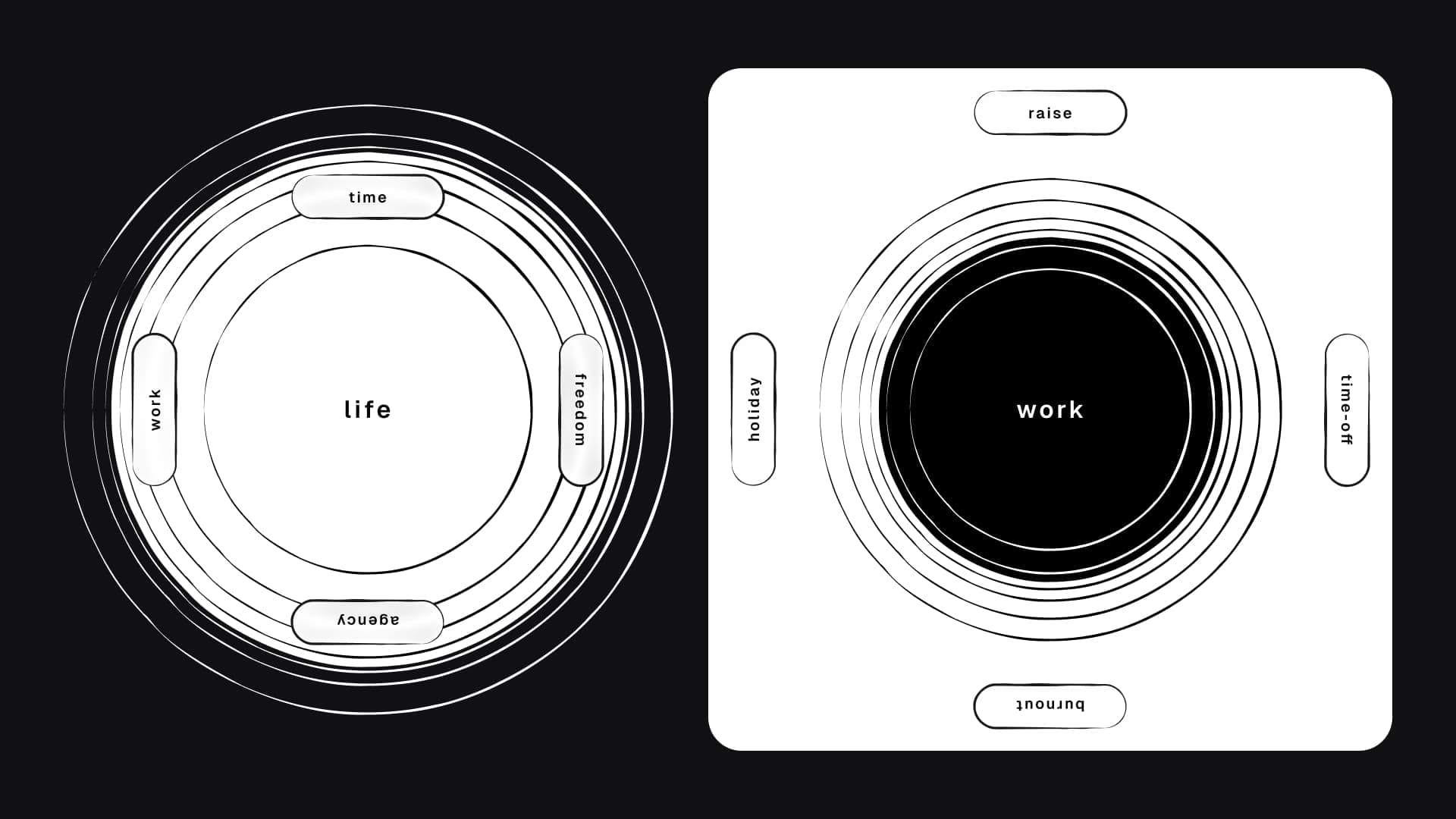
Chapter 5: Lifestyle
Building a business around your lifeIf this piece stayed with you, let it travel.
These ideas only grow when they’re carried forward — through conversation, through practice, through making something of your own.
If you’d like to support my work, you can do so by picking up a small artifact from the store below. They’re not merch as much as markers — reminders of the kind of attention this work asks for.